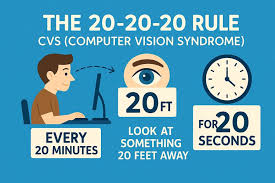
Computer Vision Syndrome (CVS), also known as digital eye strain, is a condition caused by prolonged use of digital screens, including computers, tablets, and smartphones. Staring at screens for extended periods forces the eyes to continuously focus and refocus, leading to visual fatigue and discomfort. The blue light emitted from screens and the constant glare contribute to screen eye strain, making it difficult for the eyes to remain comfortable.
Common computer vision syndrome symptoms include eye fatigue, headaches, blurry vision, dry eyes, and neck pain. If left unmanaged, CVS can significantly impact productivity and overall eye health. Taking preventive measures like adjusting screen brightness, maintaining proper posture, and following the 20-20-20 rule can help reduce digital eye strain symptoms and improve visual comfort.
Symptoms of Computer Vision Syndrome
The symptoms of computer eye syndrome vary from person to person, depending on screen usage and underlying eye conditions. Some of the most common computer vision syndrome symptoms include:
- Eye strain and fatigue: Constant screen exposure forces the eyes to work harder, leading to tiredness.
- Blurred vision: Difficulty focusing on the screen or seeing clearly after prolonged use.
- Dry eyes: Reduced blinking rate causes irritation, redness, and a burning sensation.
- Headaches and neck pain: Poor posture and screen positioning contribute to musculoskeletal discomfort.
- Sensitivity to light: Prolonged exposure to bright screens can increase light sensitivity.
Recognizing these digital eye strain symptoms early can help prevent severe vision discomfort and long-term complications.
Causes of Computer Vision Syndrome
Several factors contribute to the development of computer eye syndrome:
- Prolonged screen exposure: Extended screen time forces the eyes to continuously focus, causing fatigue.
- Glare and blue light: Digital devices emit harmful blue light, which can lead to screen eye strain and disrupt sleep patterns.
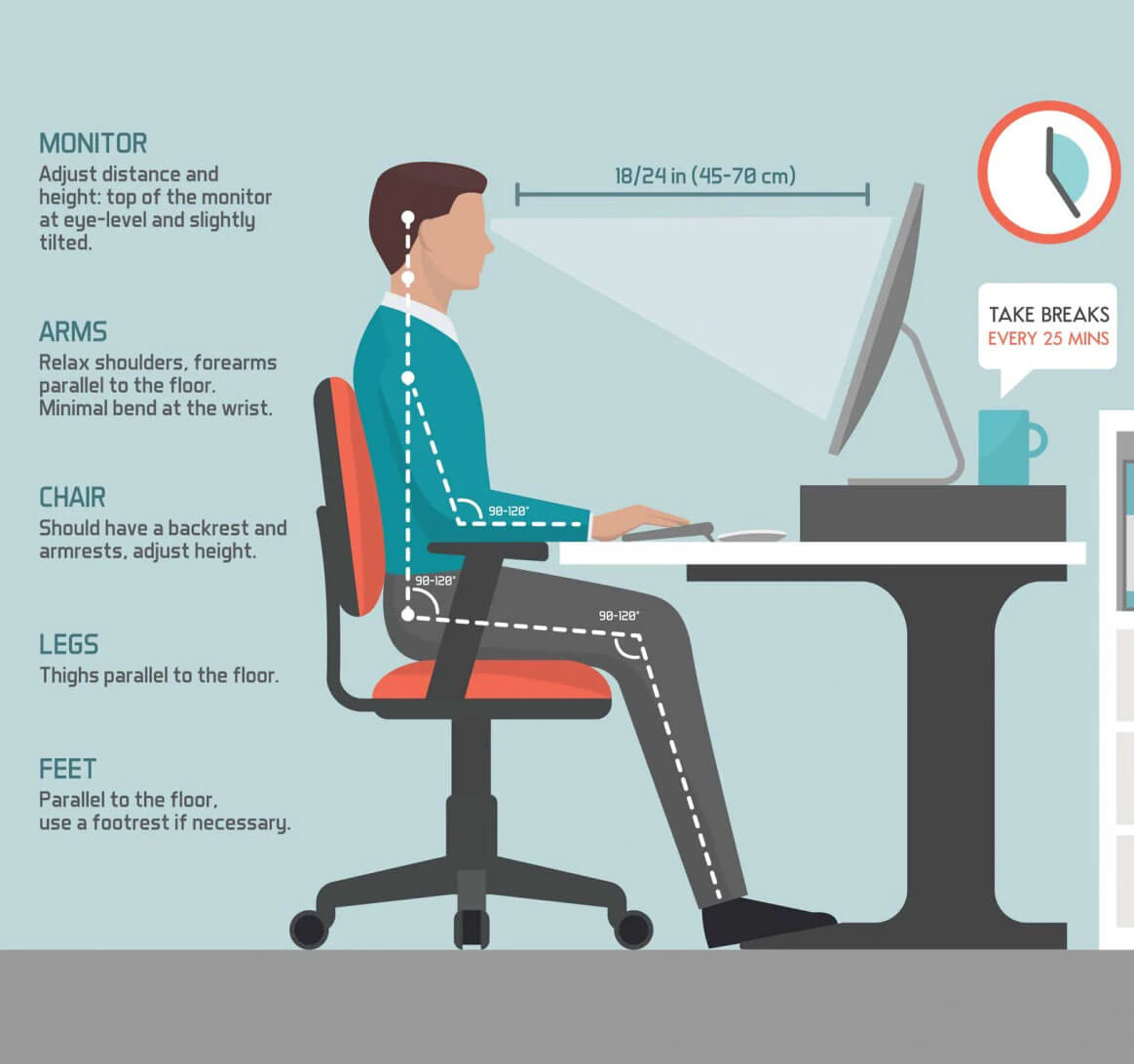
- Poor posture and viewing distance: Sitting too close or too far from the screen increases strain on the eyes and neck muscles.
- Infrequent blinking: People blink less frequently when using screens, leading to dry eyes and irritation.
- Uncorrected vision problems: Individuals with refractive errors (nearsightedness, farsightedness, astigmatism) may experience worsened digital eye strain symptoms if their prescription glasses are outdated.
Risk Factors for Computer Vision Syndrome
Certain factors increase the likelihood of developing digital eye strain:
- Excessive screen time: Individuals who spend more than 6 hours daily on digital devices are at higher risk.
- Improper lighting: Working in poorly lit environments or excessive glare worsens symptoms.
- Age: Older adults and individuals with existing eye conditions experience more discomfort.
- Work-related exposure: Professionals in fields requiring prolonged screen use, such as IT workers, designers, and students, are at higher risk.
- Lack of screen breaks: Not following the 20-20-20 rule (looking away from the screen every 20 minutes for 20 seconds at an object 20 feet away) increases eye strain. Reducing screen exposure, optimizing lighting conditions, and wearing blue-light-blocking glasses can help minimize computer eye syndrome symptoms.
Home Remedies and Lifestyle Changes to Reduce CVS
To reduce computer eye syndrome symptoms, incorporate these home remedies:
- Follow the 20-20-20 rule: Take breaks to rest eye muscles.
- Blink frequently: Consciously increase blinking to prevent dry eyes.
- Use anti-glare screen protectors: These minimize screen glare, reducing digital eye strain symptoms.
- Adjust screen brightness and contrast: Optimize display settings to reduce eye fatigue.
- Stay hydrated: Proper hydration supports tear production and prevents dry eyes.
These simple changes can effectively minimize computer vision syndrome symptoms.
Eye Exercises to Prevent Computer Vision Syndrome
Incorporating eye exercises can help relieve digital eye strain symptoms:
- Blinking exercises: Close and open eyes slowly to restore moisture.
- Focus shifting: Alternating focus between near and far objects relaxes eye muscles.
- Palming technique: Rubbing hands together and placing them over closed eyes can relieve stress.
- Eye rolling: Gently rolling the eyes helps improve circulation and reduce stiffness.
Practicing these simple exercises daily can enhance eye comfort and prevent screen eye strain.