Myopia is primarily caused by the elongation of the eyeball, which alters how light enters and focuses on the retina. Several factors contribute to its development, including:
Causes of Myopia

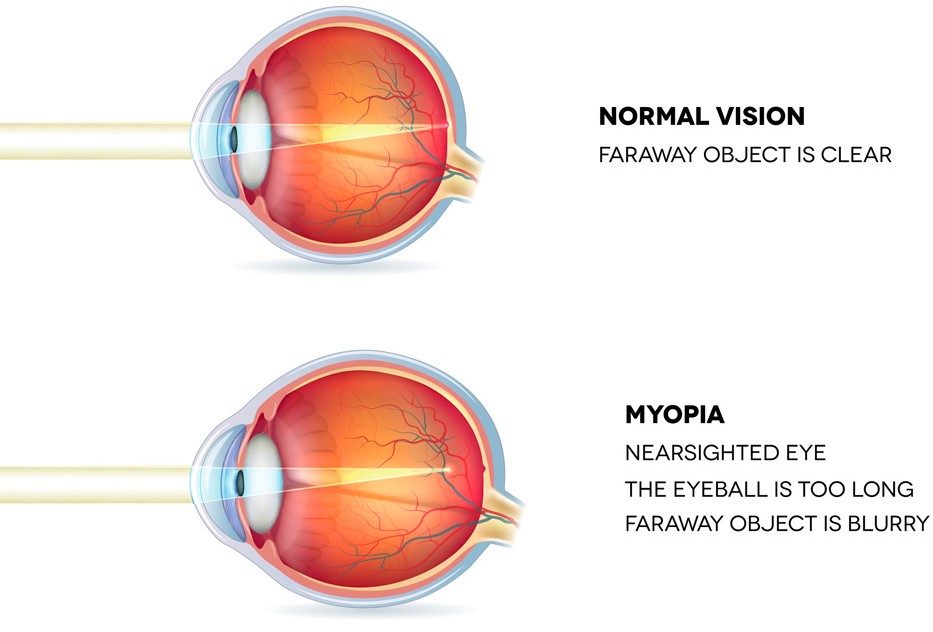
- Genetics: If one or both parents have myopia, there is a higher likelihood of developing it.
- Prolonged Near Work: Excessive screen time, reading, or close-up work can increase the risk of myopia progression.
- Lack of Outdoor Activities: Studies suggest that children who spend less time outdoors are more prone to developing myopia.
- Poor Lighting Conditions: Insufficient lighting while reading or working on screens can strain the eyes and contribute to myopia.
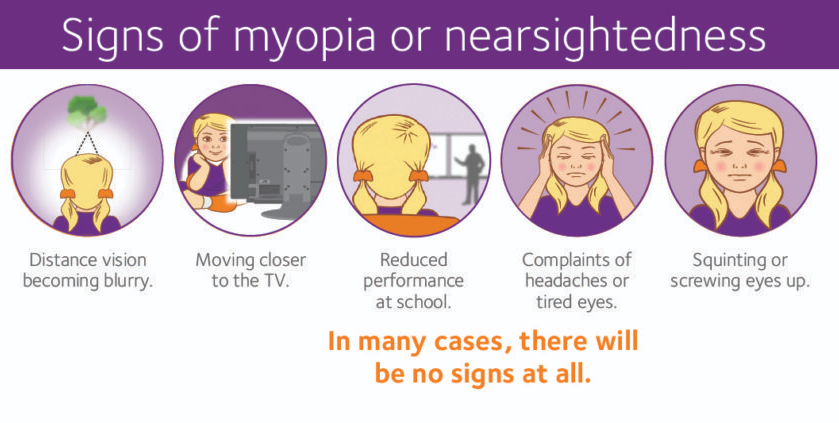
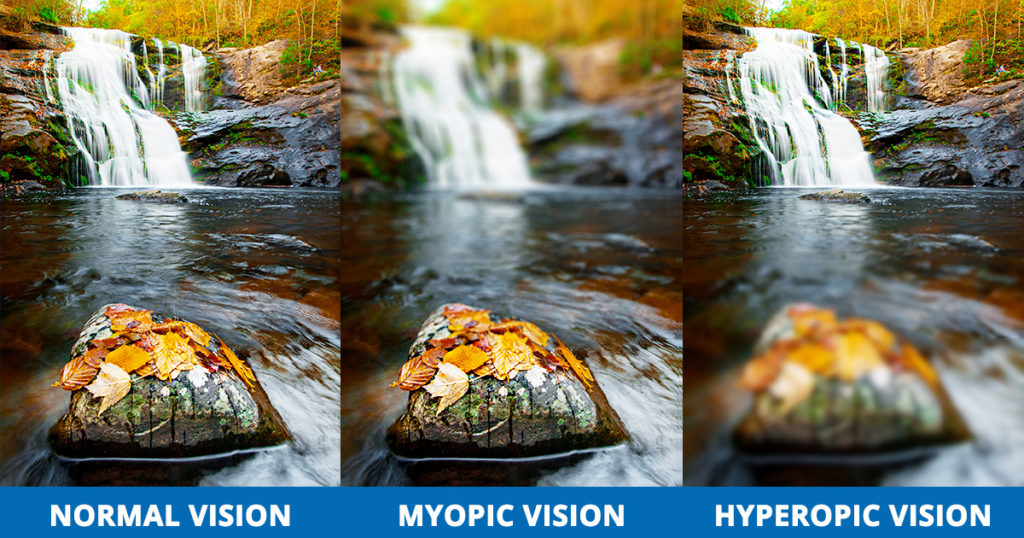
Symptoms and Signs of Myopia
Treatment Options for Myopia (Nearsightedness)
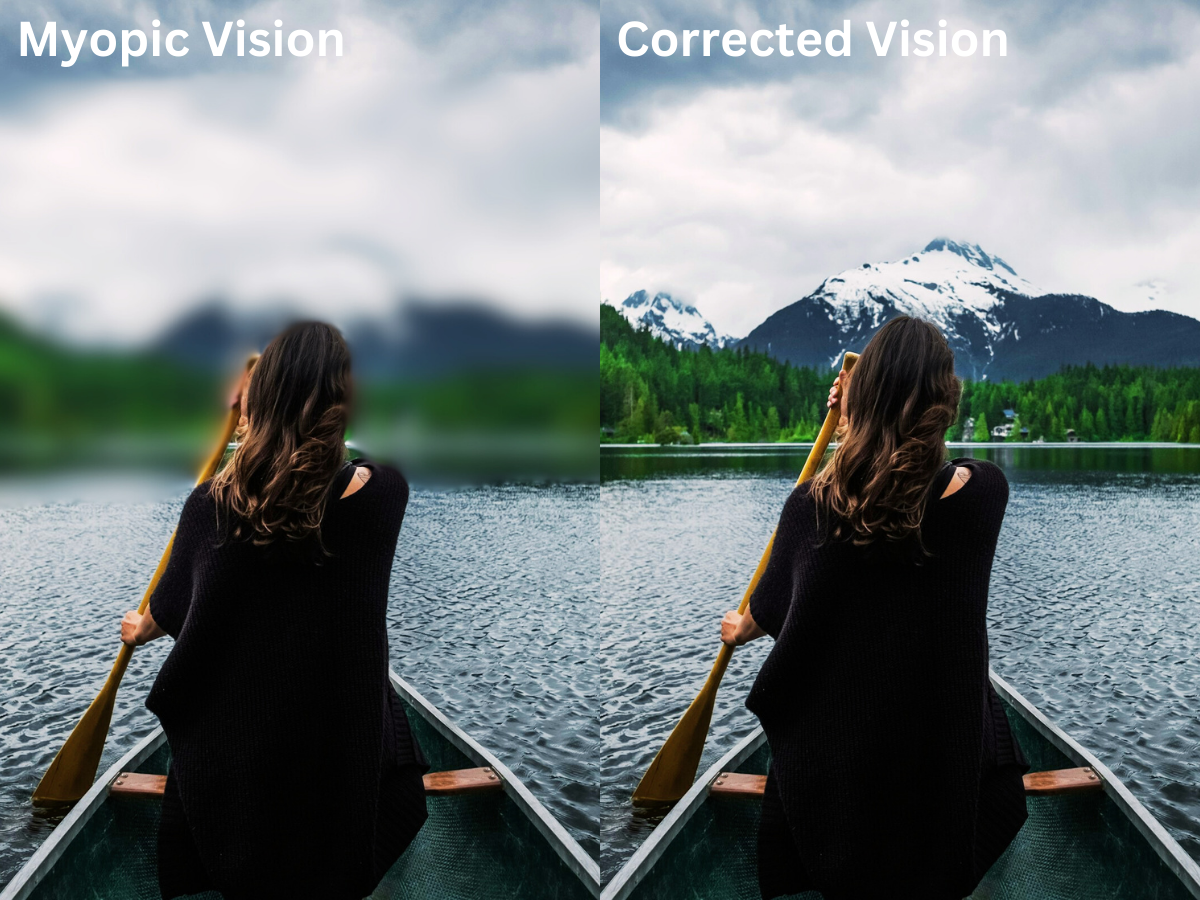
There are several treatment options for myopia (nearsightedness) that help improve vision clarity and reduce dependency on corrective lenses. These options include non-surgical treatments such as corrective lenses and specialized eye exercises, as well as surgical interventions for those seeking a more permanent solution.
Non-Surgical Treatment Options for Myopia
1. Prescription Eyeglasses
Eyeglasses are the most common and non-invasive solution for myopia. They correct refractive errors by adjusting how light focuses on the retina. There are different types of lenses used for myopia correction, including:
- Single Vision Lenses: Corrects distance vision.
- Bifocal or Progressive Lenses: Suitable for individuals who need both near and distance vision correction.

2. Contact Lenses
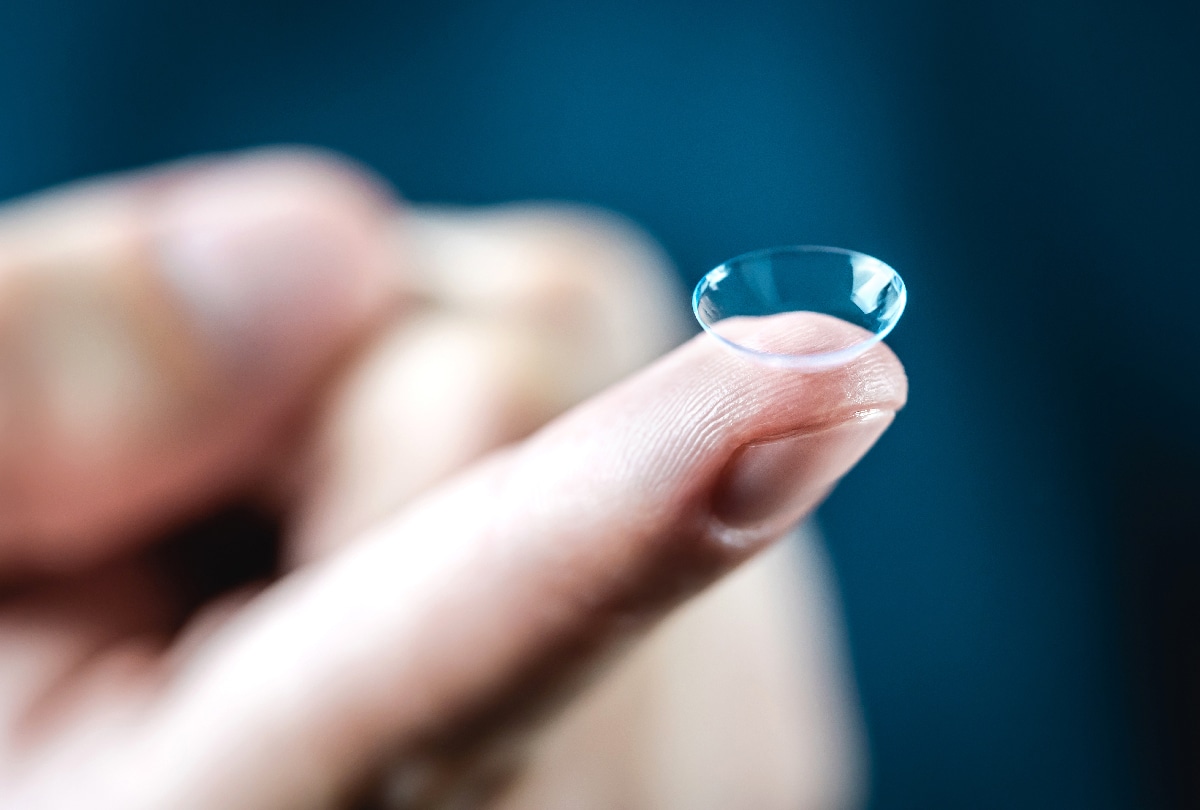
For those who prefer an alternative to glasses, contact lenses provide effective myopia correction by sitting directly on the eye's surface. Types of contact lenses for myopia include:
- Soft Contact Lenses: Comfortable and widely used.
- Rigid Gas Permeable (RGP) Lenses: Provide sharper vision and are ideal for high myopia.
- Orthokeratology (Ortho-K) Lenses: Special overnight lenses that reshape the cornea temporarily to provide clear daytime vision.
3. Atropine Eye Drops
Low-dose atropine eye drops have been shown to slow the progression of progressive myopia in children. These drops help reduce eye elongation, a major cause of worsening myopia.
4. Myopia Control Glasses or Contact Lenses
Specialized myopia control lenses help slow down myopia progression, especially in children.
5. Eye Exercises for Myopia
Although eye exercises cannot reverse myopia, they help in reducing eye strain and improving focus flexibility. Some common exercises include:
- Blinking exercises to prevent dry eyes from excessive screen time.
- Focus shifting between near and distant objects.
- Palming technique to relax eye muscles.
Surgical Options for Myopia Correction
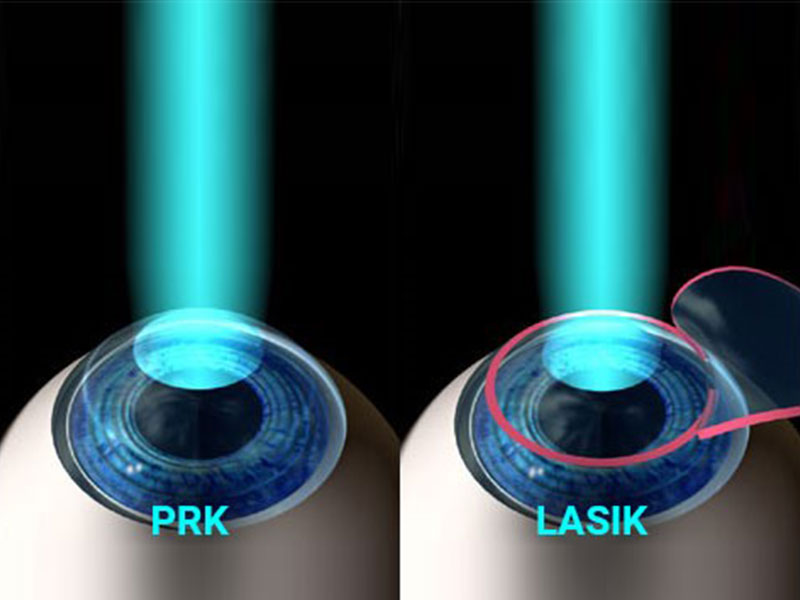
For those looking for long-term solutions, surgical interventions are available to correct myopia permanently. These procedures reshape the cornea to improve how light focuses on the retina.
1. LASIK (Laser-Assisted in Situ Keratomileusis)
LASIK is the most popular laser eye surgery for myopia correction. It involves reshaping the cornea to allow light to focus directly on the retina, leading to clearer vision.
- Pros: Quick recovery, minimal discomfort, effective for moderate myopia.
- Cons: Not suitable for individuals with very thin corneas or severe myopia.
2. PRK (Photorefractive Keratectomy)
PRK is an alternative to LASIK for those with thin corneas. Instead of creating a corneal flap, the outermost layer of the cornea is removed, and laser treatment is applied to reshape the cornea.
- Pros: Effective for those unsuitable for LASIK.
- Cons: Longer recovery time compared to LASIK.
3. SMILE (Small Incision Lenticule Extraction)
SMILE surgery is a minimally invasive laser procedure where a small disc of corneal tissue is removed through a keyhole incision to correct myopia.
- Pros: Faster recovery and less dry eye than LASIK.
- Cons: Limited suitability for very high myopia.
4. Implantable Collamer Lenses (ICL)
ICL surgery involves implanting a corrective lens inside the eye to treat high myopia. Unlike LASIK, no corneal tissue is removed.
- Pros: Reversible and suitable for extreme myopia.
- Cons: Involves a slightly higher risk than LASIK.
5. Refractive Lens Exchange (RLE)
This procedure is similar to cataract surgery, where the natural eye lens is replaced with an artificial intraocular lens (IOL) to correct myopia.
- Pros: Ideal for older individuals with high myopia.
- Cons: Not recommended for younger patients.