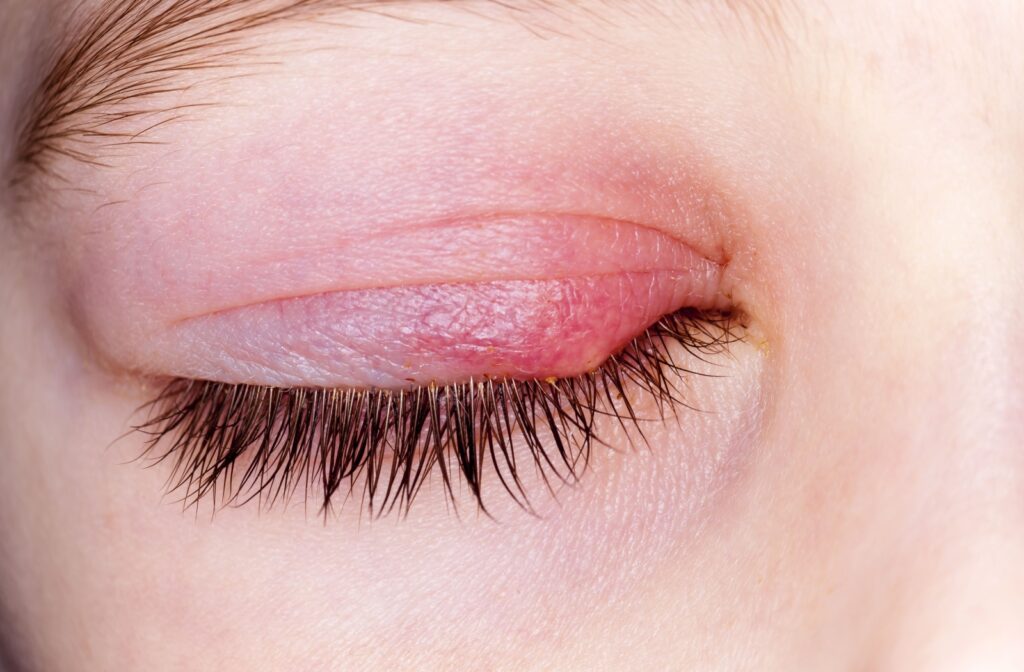
A stye is a painful, swollen bump that appears on the edge of the eyelid due to a bacterial infection of the oil glands. Known medically as hordeolum, this common condition can cause discomfort, redness, and irritation. Styes can occur in various locations, such as inside the eyelid, under the eye, or along the eyelash line.
What is a Stye?
A stye is a localized bacterial infection that forms near the base of an eyelash or inside an oil gland in the eyelid. These infections occur when bacteria, usually Staphylococcus aureus, enter the glands and cause inflammation. Styes can be classified into different types based on their location:
- External Stye (Hordeolum Externum): Forms along the outer edge of the eyelid, often due to an infection of an eyelash follicle.
- Internal Stye (Hordeolum Internum): Develops inside the eyelid when the meibomian glands become infected.
- Stye inside the eyelid: This type of stye is less visible but can cause significant discomfort.
- Eye stye under eyelid: These can create a sensation of something stuck in the eye.
- Stye under the eye: Affects the lower eyelid and may cause redness and tenderness.
Causes of Styes
The causes of a stye revolve around bacterial infections and blockages in the oil glands. Several risk factors can contribute to their development:
- Bacterial Infection: Styes are most commonly caused by Staphylococcus bacteria, which naturally reside on the skin. When these bacteria infect an oil gland or hair follicle, a stye forms.
- Poor Eyelid Hygiene: Failing to wash your hands before touching your face, using expired makeup, or neglecting to clean contact lenses can introduce bacteria to the eyes, increasing the risk of infection.
- Blocked Oil Glands: The tiny oil glands along the eyelid, known as meibomian glands, can become clogged due to excess oil, dirt, or debris. A blockage can create a breeding ground for bacteria, leading to a stye.
- Frequent Eye Rubbing: Rubbing your eyes with unclean hands can transfer bacteria to the eyelids, increasing the likelihood of infection.
- Chronic Blepharitis: Blepharitis is a condition that causes inflammation of the eyelids. Those with chronic blepharitis are more likely to develop recurrent styes.
- Weakened Immune System: A weakened immune system due to stress, lack of sleep, or illness can make a person more susceptible to bacterial infections, including styes.
Symptoms of a Stye
The symptoms of a stye can vary depending on the severity of the infection, but common signs include:
- A red, swollen bump on the eyelid
- Pain and tenderness around the affected area
- A burning or itching sensation in the eye
- Excessive tearing
- Light sensitivity
- Crusting around the eyelid margin
- A pus-filled centre, which may eventually rupture and drain
How to Treat a Stye
Most styes resolve on their own within a week, but several treatment options can help speed up recovery and reduce discomfort.
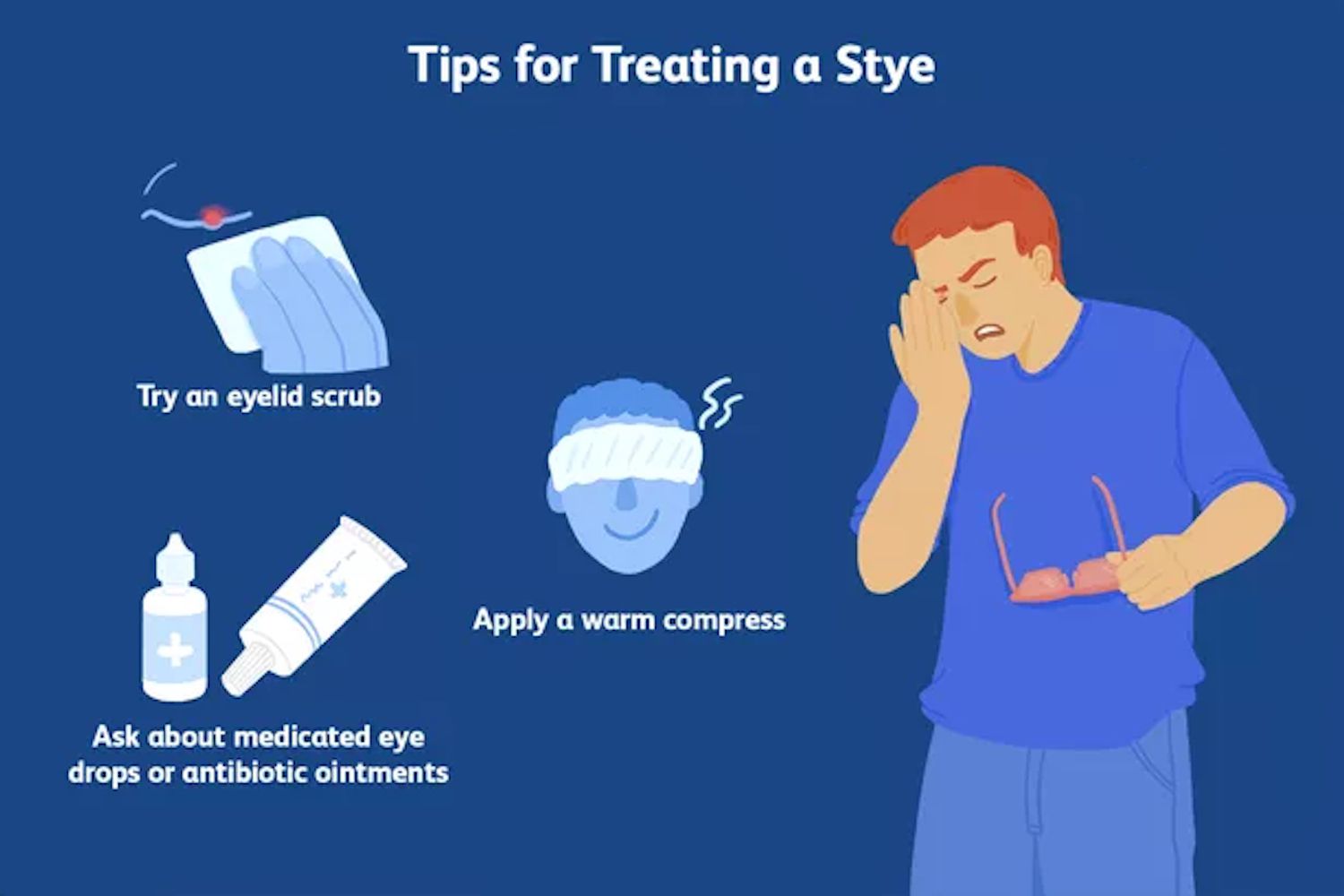
- Warm Compress: Applying a warm compress for 10-15 minutes, three to four times a day helps soften the stye, reduce swelling, and encourage drainage.
- Maintain Eyelid Hygiene:
- Wash hands before touching your eyes.
- Use a mild baby shampoo or eyelid cleanser to clean the affected area.
- Avoid Squeezing the Stye: Never pop or squeeze a stye, as this can spread the infection and worsen the condition.
- Over-the-Counter Treatments:
- Antibiotic eye drops and ointment can help reduce bacterial growth.
- Pain relievers like ibuprofen can alleviate discomfort.
- Medical Intervention: If a stye persists beyond 5 days or becomes extremely painful, an eye doctor may drain it or prescribe antibiotics.
Preventing Styes
To reduce the risk of developing a stye, follow these preventive measures:
- Wash your hands frequently to avoid transferring bacteria to your eyes.
- Avoid sharing makeup or personal eye care products.
- Replace old eye makeup every three to six months.
- Clean your contact lenses properly and avoid sleeping with them.
- Manage blepharitis if you have chronic eyelid inflammation.
- Eat a healthy diet and get enough sleep to strengthen your immune system.