An eye cataract forms when the lens of the eye becomes cloudy, making it harder to see clearly. The lens, which is normally clear, helps focus light on the retina to produce sharp vision. When it becomes cloudy, it can cause cataract symptoms like blurry vision, glare, and trouble with night driving. Although common in older adults, eye cataracts can also be caused by injuries, medical conditions, or prolonged UV exposure.
Most Common Cataract Symptoms Include:
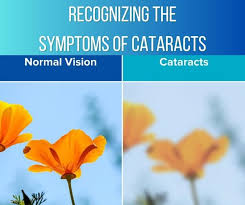
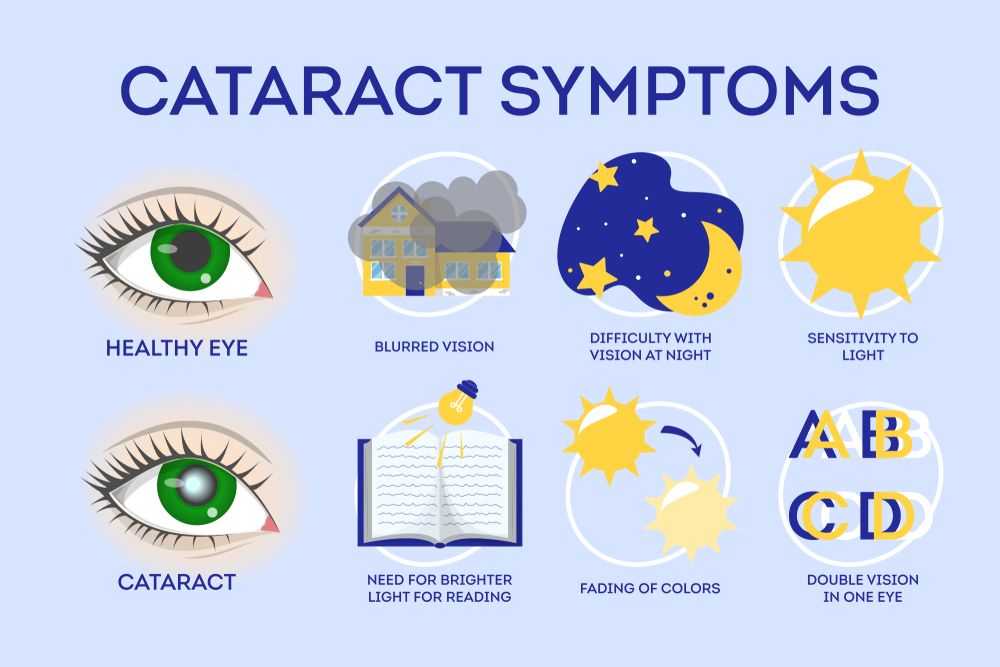
Cataract symptoms vary depending on the type and stage of the cataract. Common cataract signs and symptoms in the eye include:
- Cloudy or Blurred Vision: Objects may appear fuzzy, and vision may feel foggy or unclear.
- Sensitivity to Light and Glare: Bright sunlight, headlights, or even indoor lighting can cause discomfort and difficulty seeing.
- Poor Night Vision: Difficulty seeing in low light or during night time activities, such as driving, is common.
- Fading or Yellowed Colors: Colors may lose their vibrancy, appearing dull or washed out.
- Halos Around Lights: Seeing halos or rings around bright lights, especially at night.
- Double Vision in One Eye: Some patients report seeing double images due to the clouded lens.
What are the Causes of Cataract?
There are several causes of cataract, with aging being the most common. Other factors that lead to the formation of cataracts include:
- Aging: Natural changes in the lens cause protein breakdown and cloudiness, resulting in cataracts.
- Eye Injuries: Trauma to the eye can lead to cataract formation, either immediately or years later.
- Family History: A family history of cataracts increases the risk.
- Medical Conditions: Conditions like diabetes significantly increase the likelihood of developing cataracts.
- UV Exposure: Prolonged exposure to ultraviolet rays without proper eye protection can damage the lens.
- Steroid Use: Long-term use of corticosteroids can accelerate cataract formation.
- Smoking and Alcohol: Both habits contribute to oxidative damage in the eye and increase the risk of cataracts.
How to Prevent Eye Cataract?
While not all cases of cataracts can be prevented, adopting healthy habits can help delay their onset. Here's how you can reduce your risk of developing eye cataract symptoms:
- Wear UV-Protective Sunglasses: Protect your eyes from the harmful effects of ultraviolet light.
- Maintain a Balanced Diet: Include antioxidant-rich foods like leafy greens, carrots, and citrus fruits in your meals.
- Quit Smoking: Smoking damages eye tissues and contributes to cataract formation.
- Control Medical Conditions: Proper management of diabetes and other health issues can reduce the risk of cataracts.
- Limit Alcohol Consumption: Reducing alcohol intake helps protect overall eye health.
- Regular Eye Check-Ups: Routine eye exams allow for early detection and management of cataracts.
Treatment of Cataract
Cataract Surgery
Cataract if left untreated, it can lead to blindness. Luckily, this blindness causing eye disease is reversible. At the right stage your eye doctor will advise and perform Cataract surgery.
What happens in cataract surgery?
In the cataract treatment procedure, eye care specialists numb the area around your eyes with local anaesthesia before the cataract eye surgery, but you are awake throughout. Under this cataract operation, eye surgeons remove the clouded lens using a microsurgical instrument and replace it with an artificial intraocular lens (IOL).
The entire process and the cataract surgery take less than 20-30 minutes. This means no need of night stay at the hospital.
Post-Surgery Care Tips
During the cataract operation, patients feel little to no pain. To recover faster after a cataract operation, here are some tips:
- After a cataract operation, you may feel some irritation in your eyes. It is essential to shield your eyes with eyeglasses and avoid dirt or dust affecting your eyes after cataract treatment.
- Do not perform activities like heavy weightlifting to avoid additional eye pressure after cataract removal surgery.
- After a cataract operation, you may see things brighter, so it is essential to avoid driving.
- Take the necessary precautions your doctor suggests and take medications as a cataract cure promptly.
Eyeglasses After Cataract Surgery
Patients, who are comfortable with the idea of wearing spectacles after their cataract operation, can choose monofocal lens. These types of artificial lenses have one focal point as the name suggests. However, now with all the latest advancements it is possible to have minimum dependence on glasses after the cataract surgery. Multifocal or trifocal lenses can go a long way in reducing the dependence on the glasses. It is a good idea to discuss the options of these advanced IOL's with your cataract surgeon and explore your suitability for them.
There are some times when you have minor eye power after cataract surgery; you may need to wear eyeglasses.