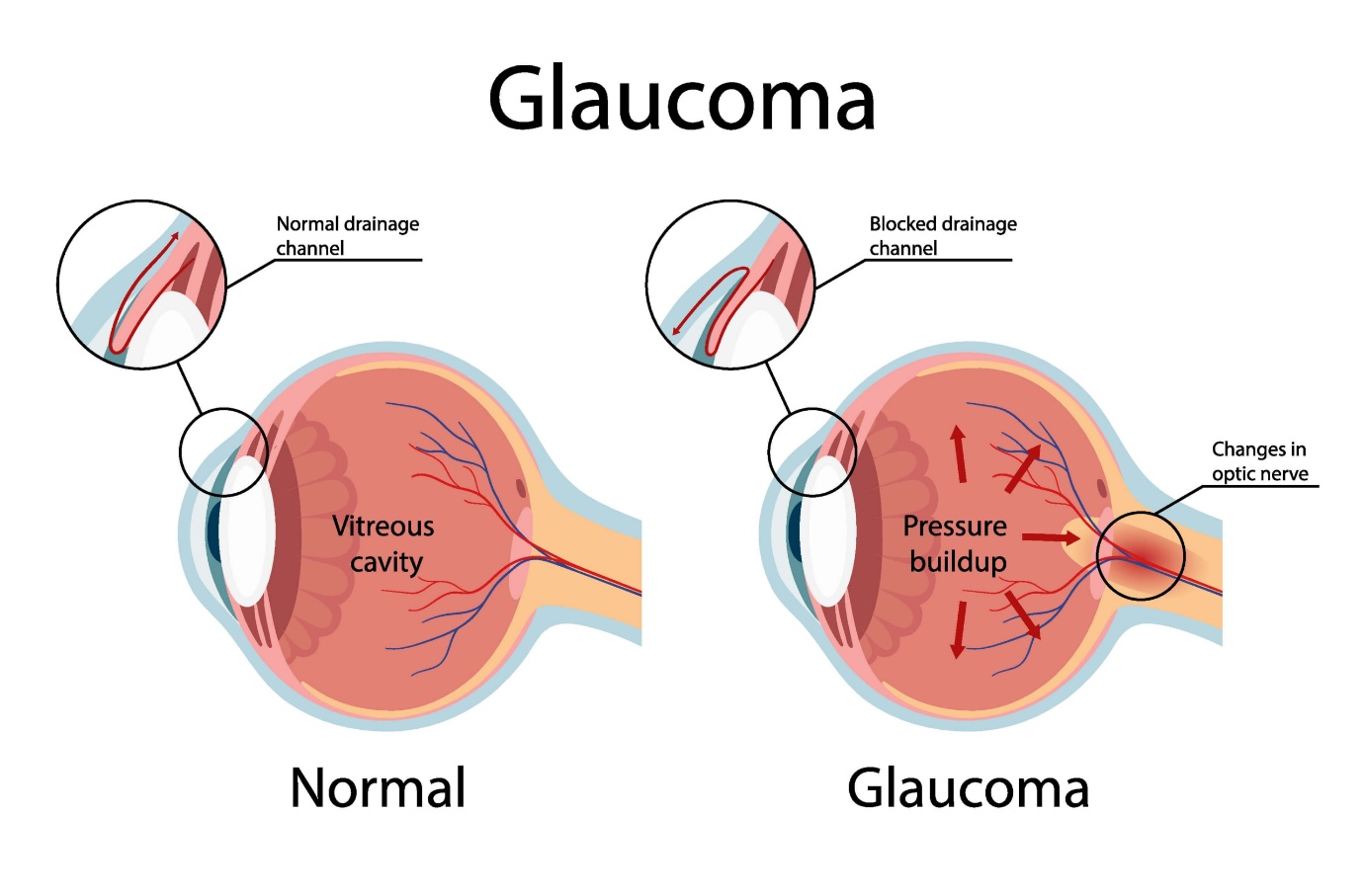
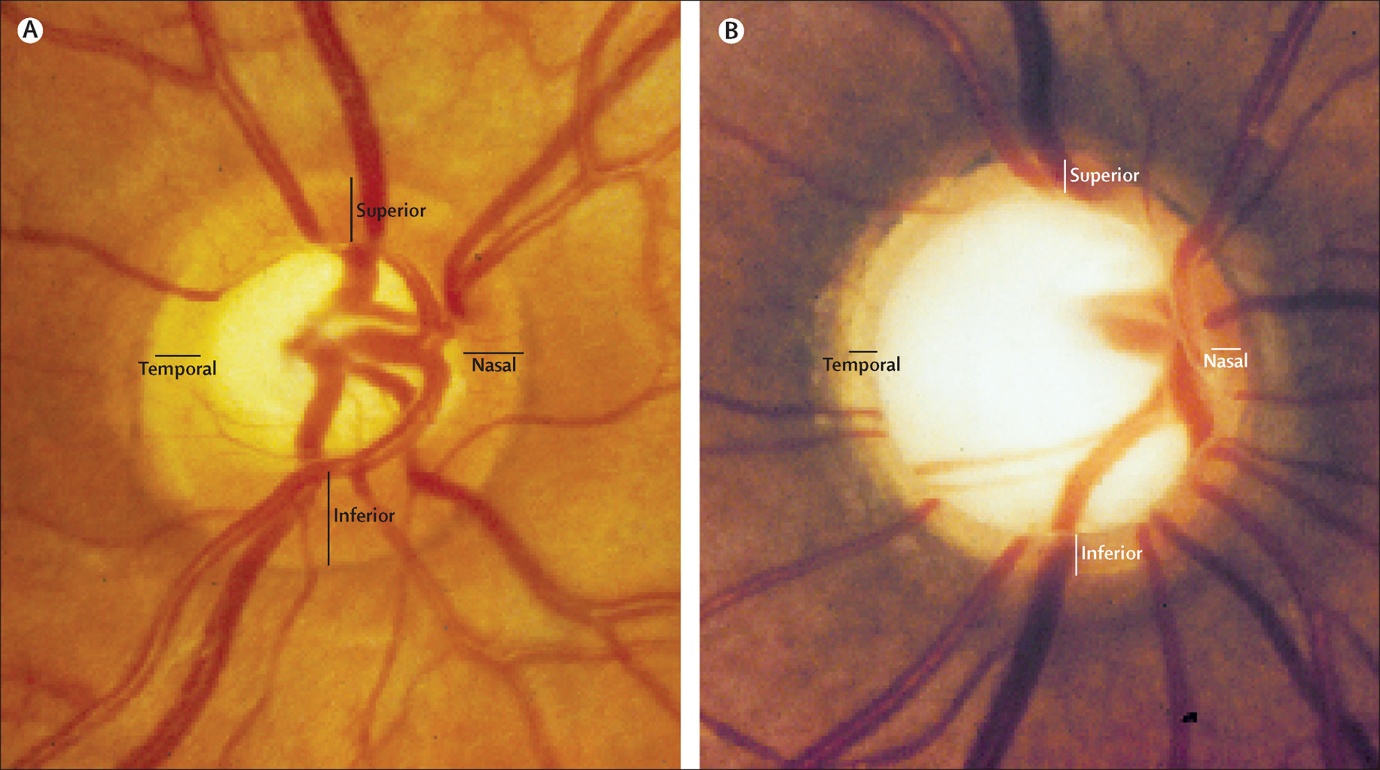
Glaucoma is a silent thief of sight—one of the leading causes of irreversible blindness worldwide. This progressive eye disease damages the optic nerve due to increased intraocular pressure, leading to gradual vision loss. The most alarming part? It often creeps in without noticeable symptoms until significant damage is done.
What Are the Symptoms of Glaucoma?
Glaucoma symptoms vary depending on the type and severity of the condition. While some people may experience gradual vision changes, others may notice sudden and severe symptoms. Below are the warning signs:
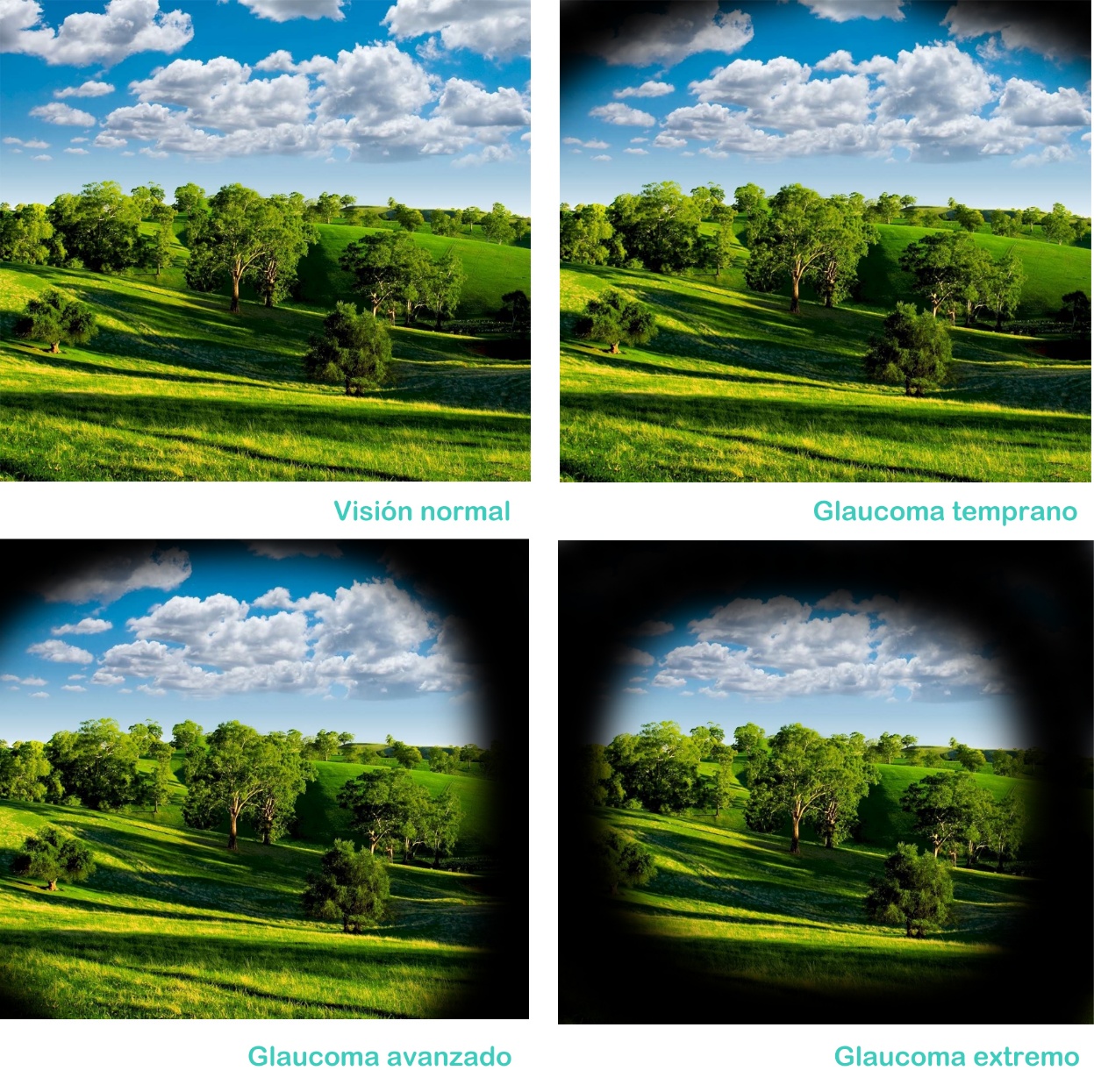
- Loss of Vision: One of the most significant indicators of glaucoma is glaucoma vision deterioration, where blind spots appear in peripheral or central vision.
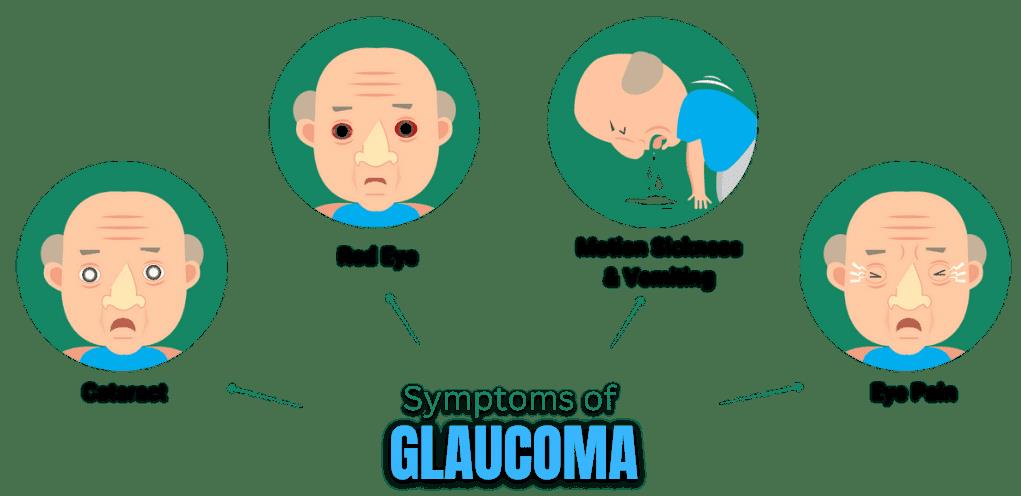
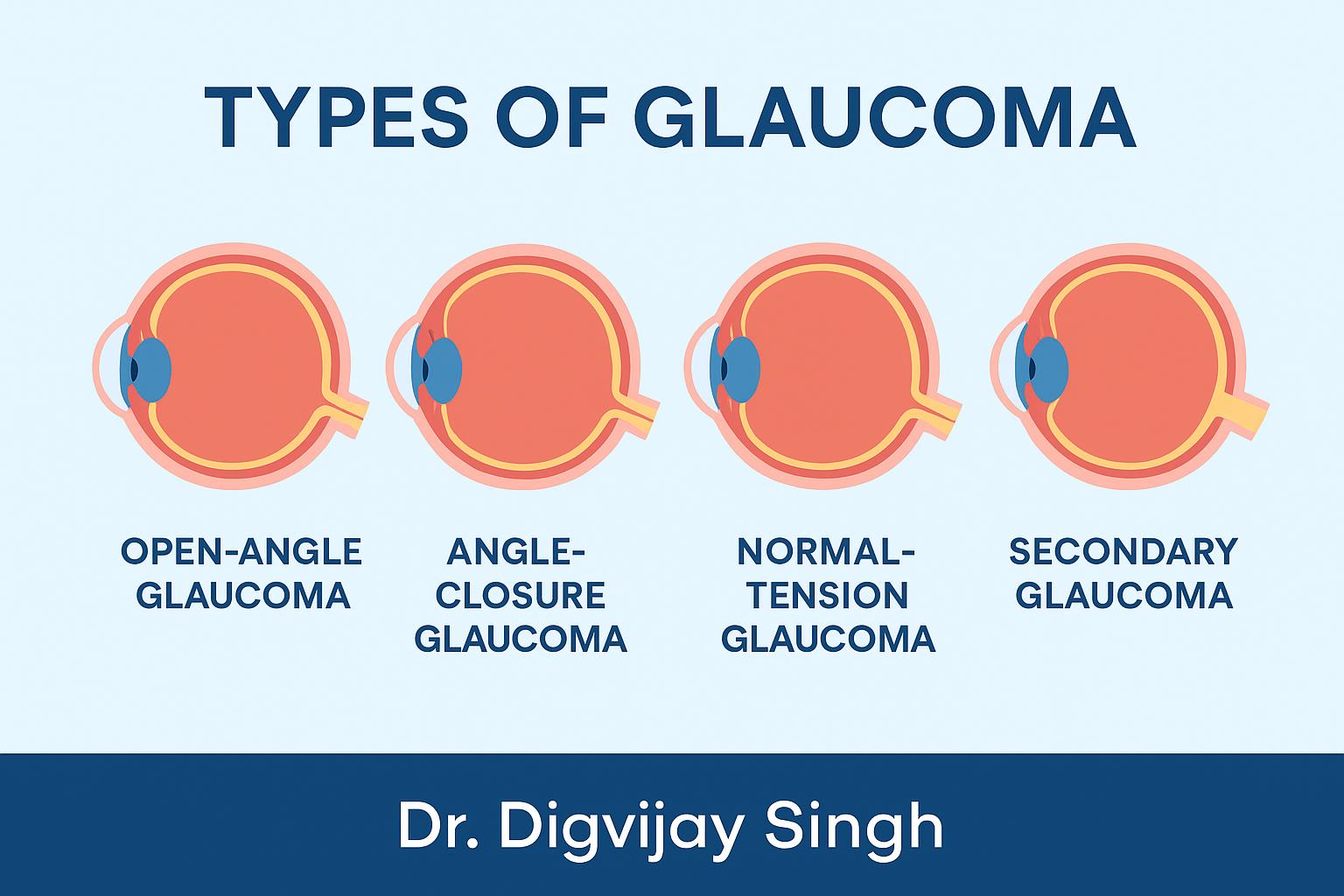
- Blurry Vision: Blurred or hazy vision is an early warning sign, especially in angle-closure glaucoma where the pressure spikes suddenly.
- Persistent Headache: High intraocular pressure can lead to intense headaches, often accompanied by eye pain.
- Eye Redness: Redness in the eye is another symptom of glaucoma disease, indicating increased intraocular pressure or inflammation.
- Stomach Upset, Nausea, and Vomiting: In acute cases, sudden pressure spikes can lead to nausea and vomiting, often misattributed to other conditions.
- Pain in the Eye: Discomfort or severe pain in the eye may indicate phacolytic glaucoma or phacomorphic glaucoma, where lens changes obstruct normal fluid drainage.
- Early Presbyopia: Difficulty focusing on nearby objects may suggest early onset of eye disorders linked to glaucoma.
Causes of Glaucoma
- Build-up of Aqueous Humor Inside the Eye: The eye maintains internal pressure by producing and draining aqueous humor. A blockage in this drainage system can lead to excessive pressure.
- Genetic Reasons: Family history significantly increases the risk of developing glaucoma symptoms over time.
- Birth Defects: Congenital defects in the eye's drainage system can cause childhood glaucoma.
- Blunt or Chemical Injury: Trauma or exposure to harmful chemicals can disrupt the normal flow of fluids inside the eye.
- Acute Eye Infection: Certain infections cause inflammation and scarring, leading to glaucoma disease.
- Blockage by Blood Vessels Inside the Eye: Poor circulation can cause vessel blockages, increasing the risk of glaucoma vision loss.
- Inflammatory Conditions: Autoimmune diseases like uveitis can trigger secondary glaucoma.
Glaucoma Risk Factors
Are you at risk? Identifying these factors can help with early detection and prevention.
- Are You Over 60 Years of Age? Age is a significant risk factor, as the drainage system naturally weakens over time.
- Have High Internal Eye Pressure? Elevated intraocular pressure is a primary contributor to glaucoma.
- Have a Family Member Diagnosed with Glaucoma? A strong genetic link exists, making family history a key risk factor.
- Have Certain Medical Conditions? Diabetes, hypertension, and anaemia increase glaucoma susceptibility.
- Have Thin Corneas? Thin corneas lead to inaccurate pressure readings, masking high intraocular pressure.
- Have Extreme Near-sightedness or Farsightedness? Severe refractive errors alter the eye's anatomy, increasing glaucoma risk.
- Have Had Eye Injuries or Surgeries? Trauma and surgical procedures can alter fluid dynamics inside the eye.
- Taking Corticosteroids for a Long Time? Prolonged steroid use can trigger secondary glaucoma.
How to Prevent Glaucoma
While glaucoma cannot be completely prevented, early detection and lifestyle changes can slow its progression.
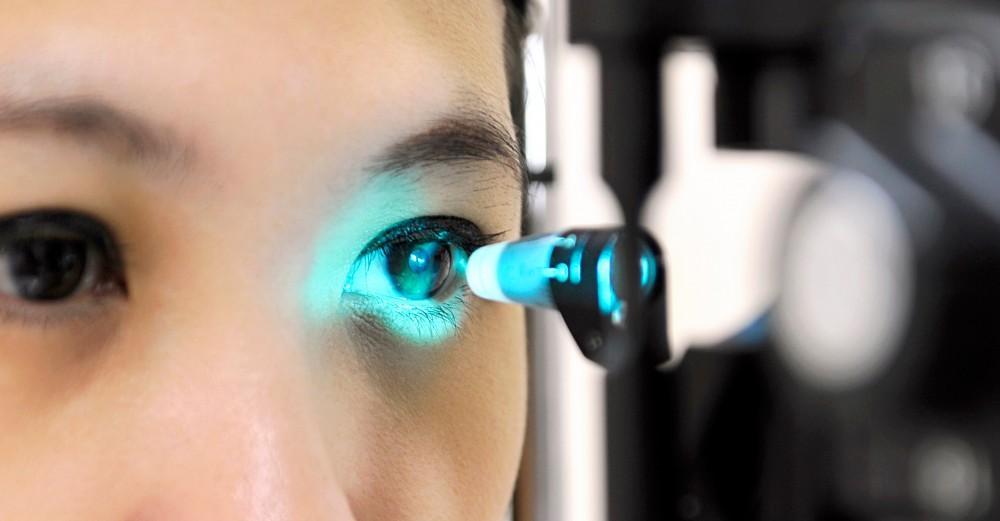
- Have Eye Checkups Often: Routine exams help detect glaucoma symptoms before irreversible damage occurs.
- Be Aware of Your Family's Medical History: If glaucoma runs in your family, regular screenings are essential.
- Keep Fit and Eat Healthy: A diet rich in leafy greens, omega-3 fatty acids, and antioxidants promotes eye health.
- Protect Your Eyes While Performing Tasks That Could Cause Injuries: Wearing protective eyewear during sports or hazardous activities prevents trauma-induced glaucoma.
Glaucoma is a serious but manageable condition if diagnosed early. Prioritizing regular eye exams, understanding risk factors, and taking preventive measures can help protect your sight. If you experience any glaucoma symptoms, consult an eye specialist immediately.