Central Serous Retinopathy, also known as Central Serous Chorioretinopathy, occurs when fluid builds up beneath the retina, causing visual distortion. When fluid accumulates under it, it leads to a detachment of the retina, resulting in blurred or distorted vision.
CSR primarily affects the macula—the central part of the retina responsible for sharp, detailed vision. It is more common in men between the ages of 20 and 50, although women and older adults can also experience it.
Common Symptoms of Central Serous Retinopathy:

Causes of Central Serous Retinopathy
The exact reason for fluid leakage under the retina isn't always clear, but several factors increase the risk of developing CSR:
- Stress: High stress levels trigger an overproduction of cortisol; a hormone linked to CSR.
- Corticosteroid Use: Prolonged use of corticosteroids, whether oral, topical, or injected, is a major risk factor.
- High Blood Pressure: Hypertension can damage blood vessels in the eye, contributing to fluid buildup.
- Obstructive Sleep Apnoea: This condition can affect oxygen levels, potentially impacting retinal health.
- Age and Gender: Men between the ages of 20 and 50 are at a higher risk.
- Genetics: A family history of CSR increases the likelihood of developing the condition.
Common Symptoms of Central Serous Retinopathy
- Blurred Central Vision: Difficulty seeing objects clearly in the centre of your field of vision.
- Gray or Dark Spots: You may notice areas of dim vision or Gray spots.
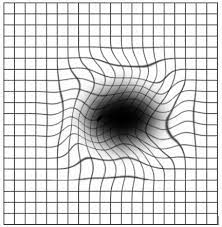
- Distorted Images: Straight lines may appear wavy or bent (a symptom called metamorphopsia).
- Reduced Contrast Sensitivity: Difficulty distinguishing between similar shades or colors.
- Light Sensitivity: Increased sensitivity to bright light.
- Micropsia: Objects may appear smaller than they actually are.
If you experience any of these symptoms, seek an eye specialist's advice.
What are the Sign & Symptoms?
If only one eye is affected to begin with, the symptoms may not be noticeable in early stages. Gradually as disease progresses or if both eyes are involved, reading or close work may become difficult. Common symptoms are distortion of objects which are looked at directly, for e.g. bulges or curved appearance of a straight door, distorted print lines in book (metamorphopsiae), missing of letters or words while reading, a dark or blank spot in the center of vision, (scotoma) or fading of colors specially blue (dyschromatopsiae).
How is it Diagnosed?
As initially it is a silent disease, mostly it is picked up in a routine retina examination by an ophthalmologist. The retinal examination done by an ophthalmoscope will show the findings of this disease process. To assess the condition in detail, certain other test are done:
- Amsler Grid: It is a test paper with graphic picture to be used at reading distance with near glasses on. This is used to check for extent of sight loss-dark spot, distortion or missing of straight lines and also is given to the patient to take home so that he can monitor his symptoms at home and report immediately if there is worsening.
- Fundus Fluorescin Angiography (FFA) / Indocyanine Green Angiography (ICG): The photographs of macula are taken after injecting a dye in patient's arm. The dye reaching the eye helps to clarify the type and extent of disease, including detail of abnormal vessels, leaks and membrane formations.
- Optical Coherence Tomography (OCT): In this test photographs of the retina are taken to show its microscopic detail. So it can help detect any early thickening of the retina in wet ARMD. Also it can delineate the abnormal blood vessels (choroidal neovascularisation) from where the blood oozes. Changes of dry ARMD such as drusen can also be demonstrated. Also it is an excellent tool to follow up after treatment to assess the effect of the treatment done and need for re-treatment.
Managing and Preventing CSR
Preventing CSR eye disorder involves addressing the underlying risk factors and adopting healthy habits:
- Manage Stress: Regular physical activity, meditation, and relaxation techniques such as yoga or deep breathing exercises can help reduce stress levels, which is a major trigger for CSR.
- Limit Corticosteroid Use: Consult your doctor before taking or discontinuing corticosteroids. If you rely on these medications, discuss possible alternatives or dose adjustments.
- Control Blood Pressure: Maintain a healthy diet rich in potassium (bananas, spinach), magnesium (nuts, seeds), and omega-3 fatty acids (salmon, chia seeds) to support vascular health and reduce blood pressure.
- Eye-Healthy Foods: Include foods rich in antioxidants, such as berries, oranges, and leafy greens, which help reduce oxidative stress in the eyes. Carrots, known for their high vitamin A content, can also boost overall eye health.
- Routine Eye Exams: Regular check-ups can catch the condition early and prevent complications. Follow up with your ophthalmologist if you have any recurring symptoms or risk factors.
By integrating these practical measures into your lifestyle, you can manage and potentially prevent the onset or recurrence of CSR.