A macular hole is a small break or defect in the macula, the central part of the retina responsible for sharp, detailed vision. The macula is crucial for performing daily tasks such as reading, driving, recognizing faces, and distinguishing fine details. When a hole forms in this region, it disrupts central vision, causing blurring, distortion, and, in advanced cases, a significant reduction in sight.
The condition primarily affects older adults, typically over the age of 60, and is often associated with changes in the vitreous, the gel-like substance inside the eye. As people age, the vitreous shrinks and pulls away from the retina, sometimes creating tension on the macula and leading to the development of a hole.
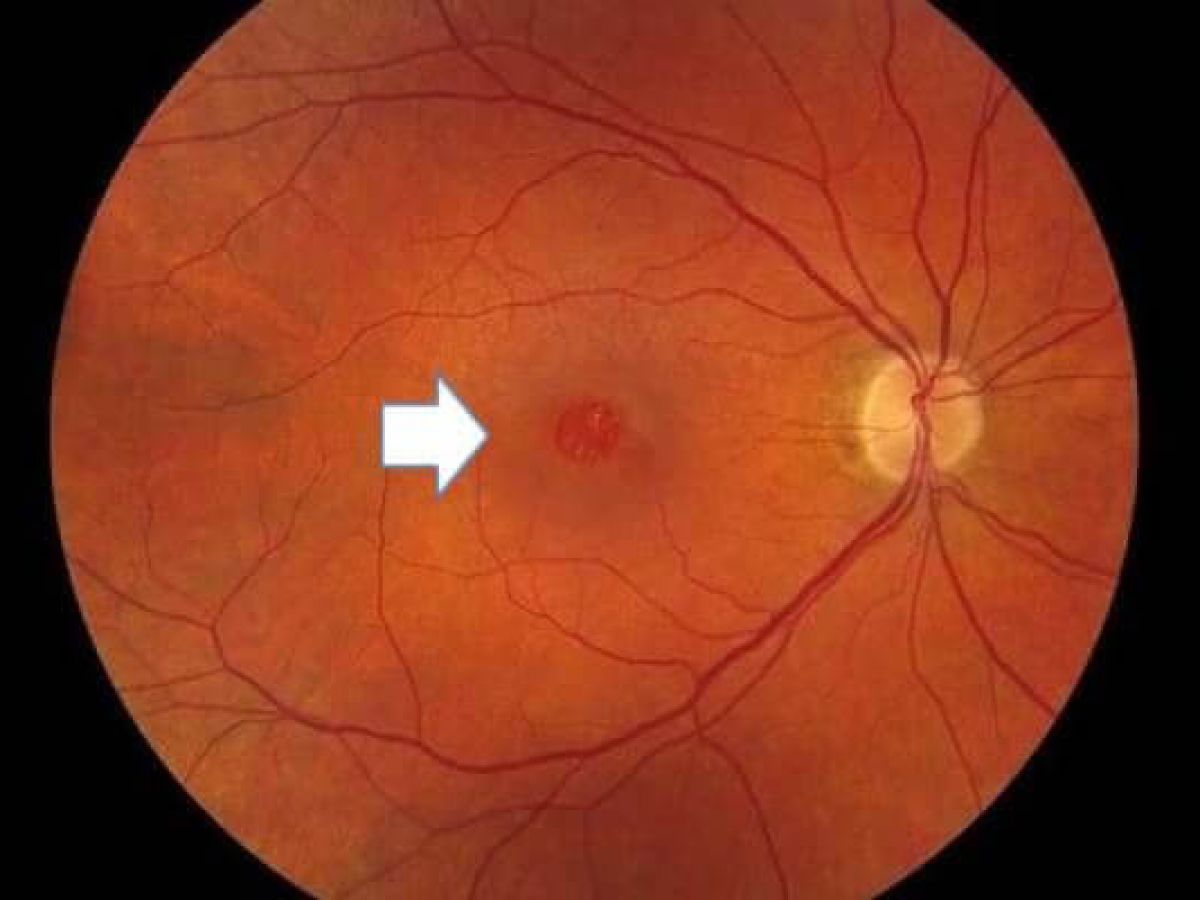
Macular Hole Symptoms
- Blurred or Distorted Vision: Straight lines may appear wavy or bent.
- Central Vision Loss: Dark or blind spot in the center of vision.
- Difficulty Reading or Recognizing Faces: Fine details become hard to see.
- Increased Light Sensitivity: Bright lights may cause discomfort.
- Reduced Sharpness and Clarity: Vision appears hazy or unclear.
- Objects Appear Smaller or Further Away: A phenomenon called micropsia.

Causes of Macular Hole
A macular hole is a small break or defect in the macula, the central part of the retina responsible for sharp, detailed vision. It can cause blurry or distorted central vision. Several factors can contribute to its development:
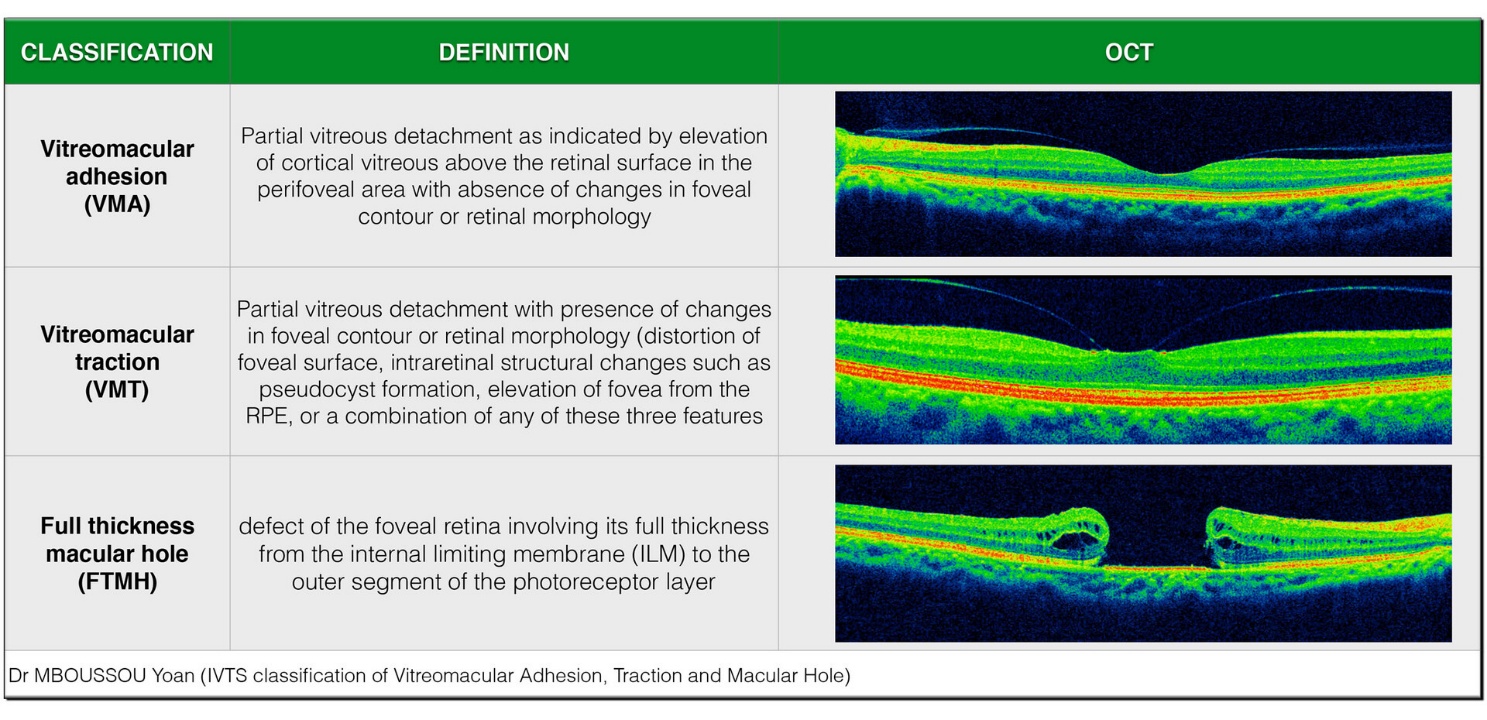
Primary Causes:
- Aging (Vitreo-Macular Traction): The most common cause. As we age, the vitreous gel inside the eye shrinks and pulls away from the retina. If it adheres to the macula too strongly, it can create a hole.
- High Myopia (Severe Nearsightedness): People with high myopia have thinner retinas, making them more susceptible to macular holes.
- Trauma or Injury: Direct trauma to the eye, such as a blow or accident, can cause a macular hole.
- Retinal Detachment or Epiretinal Membrane: Conditions that cause traction or pulling on the retina may lead to a macular hole.
- Diabetic Eye Disease: Severe diabetic retinopathy can weaken the macula, increasing the risk of holes forming.
- Macular Edema (Swelling of the Macula): Fluid buildup can weaken the macular tissue, leading to hole formation.
Less Common Causes:
- Inflammatory Diseases (such as uveitis)
- Macular Telangiectasia (a rare retinal disorder)
- Previous Eye Surgery (like cataract or retinal surgery, which can sometimes lead to macular holes)
Who is at Risk of Developing a Macular Hole?
Certain factors can increase the likelihood of developing a macular hole, including:
- Aging: The primary risk factor, as macular holes predominantly affect individuals over 60.
- Gender: Women are at a slightly higher risk than men, though the reason is not entirely understood.
- High Myopia (Severe Nearsightedness): People with extreme myopia experience thinning of the retina, increasing the risk of developing a macular hole.
- Eye Trauma: Injuries from blunt force, sports, accidents, or any direct impact to the eye can lead to retinal damage and macular hole formation.
- Diabetic Retinopathy: Long-standing diabetes can lead to structural retinal changes that may predispose individuals to macular holes.
- Previous Retinal Detachment Surgery: Individuals who have undergone procedures to treat retinal detachment may be at higher risk.
- Vitreous Shrinkage or Detachment: As the eye ages, the vitreous contracts and pulls away from the retina. If the adhesion is too strong, it can create a hole.
- Genetics and Family History: Though less common, a hereditary component may exist, increasing susceptibility to macular holes.
Need Expert Consultation for Macular Hole?
Book an appointment with our experienced ophthalmologists at Vijaya Bhaskara Reddy Eye Hospital
Call: +91 8985657102 Book Appointment